Blog Amazon
Amazon FBA prep explained: labeling, bundling and packaging requirements to plan for
By Fulfillment Rocket Team | | 4 min read
If you sell through Fulfillment by Amazon, your inventory has to arrive at Amazon's fulfillment centers prepared in a specific way. That preparation is usually called FBA prep. Amazon's requirements change from time to time and vary by product type, so this article does not try to list the current rules. Instead, it explains the general kinds of requirements sellers plan for, and how to organize prep work with a 3PL. Always check Amazon Seller Central for the current requirements that apply to your products before you ship.
What FBA prep means
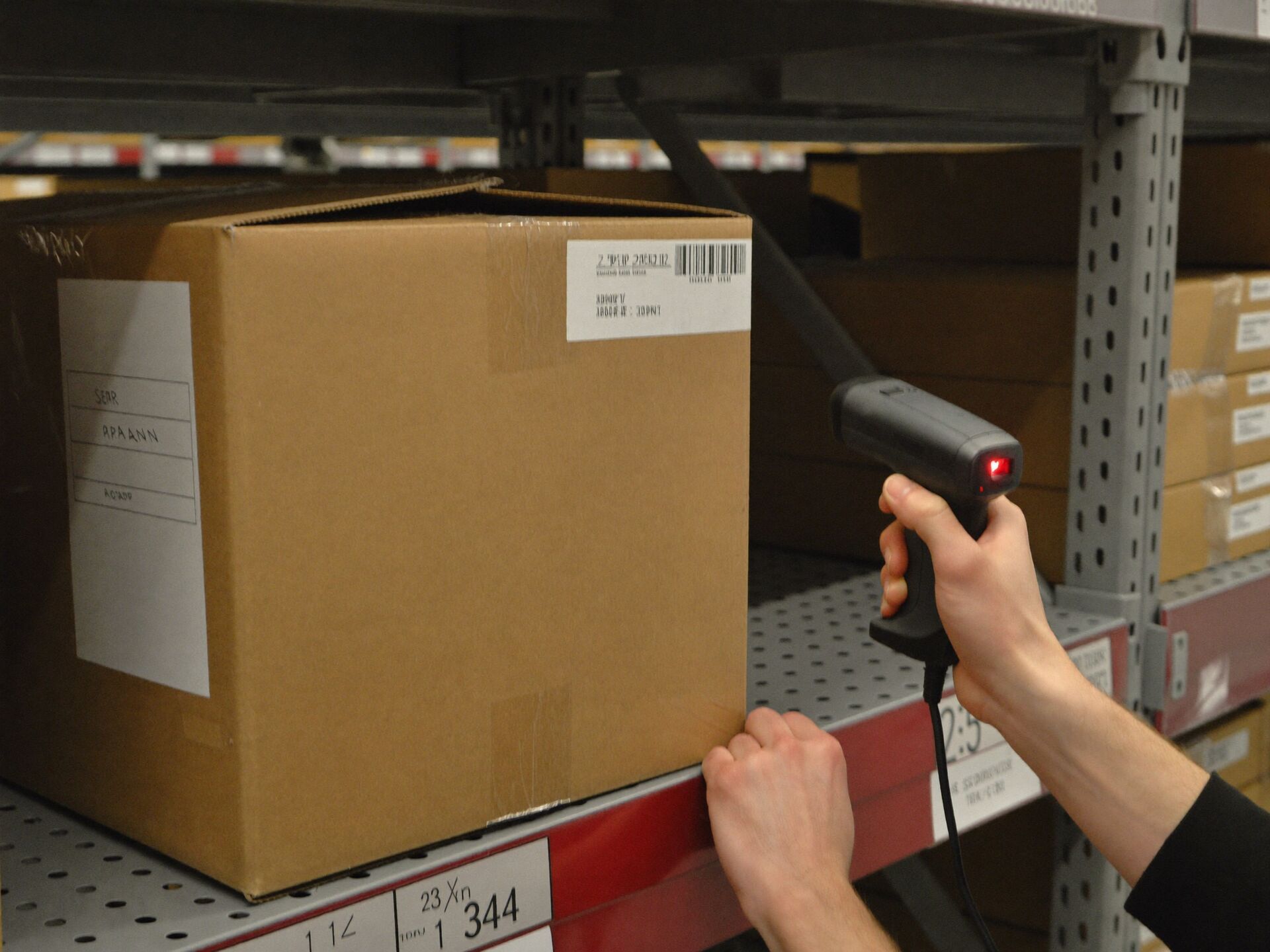
FBA prep is the work done to your products between the factory and an Amazon fulfillment center. It makes sure each unit can be identified, stored and shipped by Amazon without problems. If inventory arrives unprepared or labeled incorrectly, it may be delayed, refused or prepared by Amazon for a fee, depending on Amazon's current policies.
Many brands send inventory to a 3PL first. The 3PL receives the stock, does the prep work and then sends prepared shipments to Amazon, while also holding inventory for other channels.
The kinds of requirements to plan for
The table below groups the common types of FBA prep work. Use it to plan, then confirm the details for your specific products in Seller Central.
| Type of requirement | What it generally involves |
|---|---|
| Unit labeling | Each unit carries a scannable barcode that Amazon can use to identify it |
| Covering other barcodes | Making sure only the correct barcode can be scanned on each unit |
| Bundling | Items sold together are packaged and marked so they are handled as one unit |
| Protective packaging | Fragile, liquid or loose items are bagged, wrapped or boxed as required |
| Carton labeling | Each shipping carton is labeled so Amazon can match it to your shipment |
| Carton and pallet limits | Boxes and pallets stay within the size and weight rules Amazon sets |
Labeling
Labeling is the most common prep task. Amazon needs to identify each unit, so it is important that the right barcode is visible and that other barcodes do not cause confusion. Sellers typically decide early whether they will use manufacturer barcodes, where Amazon allows that, or Amazon specific labels. The choice affects how your supplier packs goods and how much work the 3PL does on arrival.
Bundling and sets
If you sell multipacks or sets, Amazon needs to treat the bundle as a single sellable unit. That usually means the items are packaged together and clearly marked as a set so they are not separated. A 3PL can build bundles from individual items it already holds, which is useful when the same products also sell individually on your own store.
Packaging and protection
Some products need extra protection before they go to Amazon. Common examples include items that could leak, break, or snag on other products, and items that are small enough to get lost. Requirements in this area depend on the product category, so check Seller Central for your specific items and share those notes with your 3PL in writing.
A prep checklist to share with your 3PL
Before your first prepared shipment, agree on the details below with your warehouse. Writing them down avoids rework.
- SKU list with the correct Amazon identifiers for each product
- Which barcode or label goes on each unit, and where
- Which SKUs are bundled, and how many units are in each bundle
- Packaging requirements per SKU, confirmed against Seller Central
- Carton quantities and how cartons should be labeled
- Who creates the shipment in Seller Central and when labels are shared
- How much inventory to keep at the 3PL for other channels
Common planning mistakes
Most FBA prep problems come from assumptions rather than difficult work. A seller assumes the factory applied the right labels, or that a bundle will be recognized as one unit, and finds out otherwise when a shipment is delayed. Building a short review step into every new product launch avoids most of this.
Another common issue is timing. Prep takes time, and so does getting a shipment created and accepted on the Amazon side. Plan your inbound dates so there is room for prep and transit before you need the stock to be available for sale, especially ahead of busy seasons.
Finally, keep your instructions in one place. When labeling or packaging rules for a SKU change, update the written instructions you share with your 3PL at the same time, so the next shipment is prepared the new way.
How Fulfillment Rocket handles FBA prep
We receive your inventory at our West Coast or East Coast warehouse, prepare units and cartons according to the instructions you give us, and ship them to Amazon. Your dedicated account manager works through the checklist with you before the first shipment. Because rules change, we always ask you to confirm the current Amazon requirements for your products in Seller Central, and we follow the instructions you provide.