Blog Kitting
Kitting and subscription boxes: how to prepare your products for assembly
By Fulfillment Rocket Team | | 3 min read
Kitting means combining several items into one package before or when it ships. Gift sets, starter bundles and subscription boxes are all forms of kitting. Done well, kitting gives your customers a polished unboxing and keeps your catalog flexible. Done poorly, it leads to missing items, wrong inserts and delayed shipments. This article walks through how to prepare your products and instructions so a warehouse can assemble kits accurately every time.
Two ways to kit
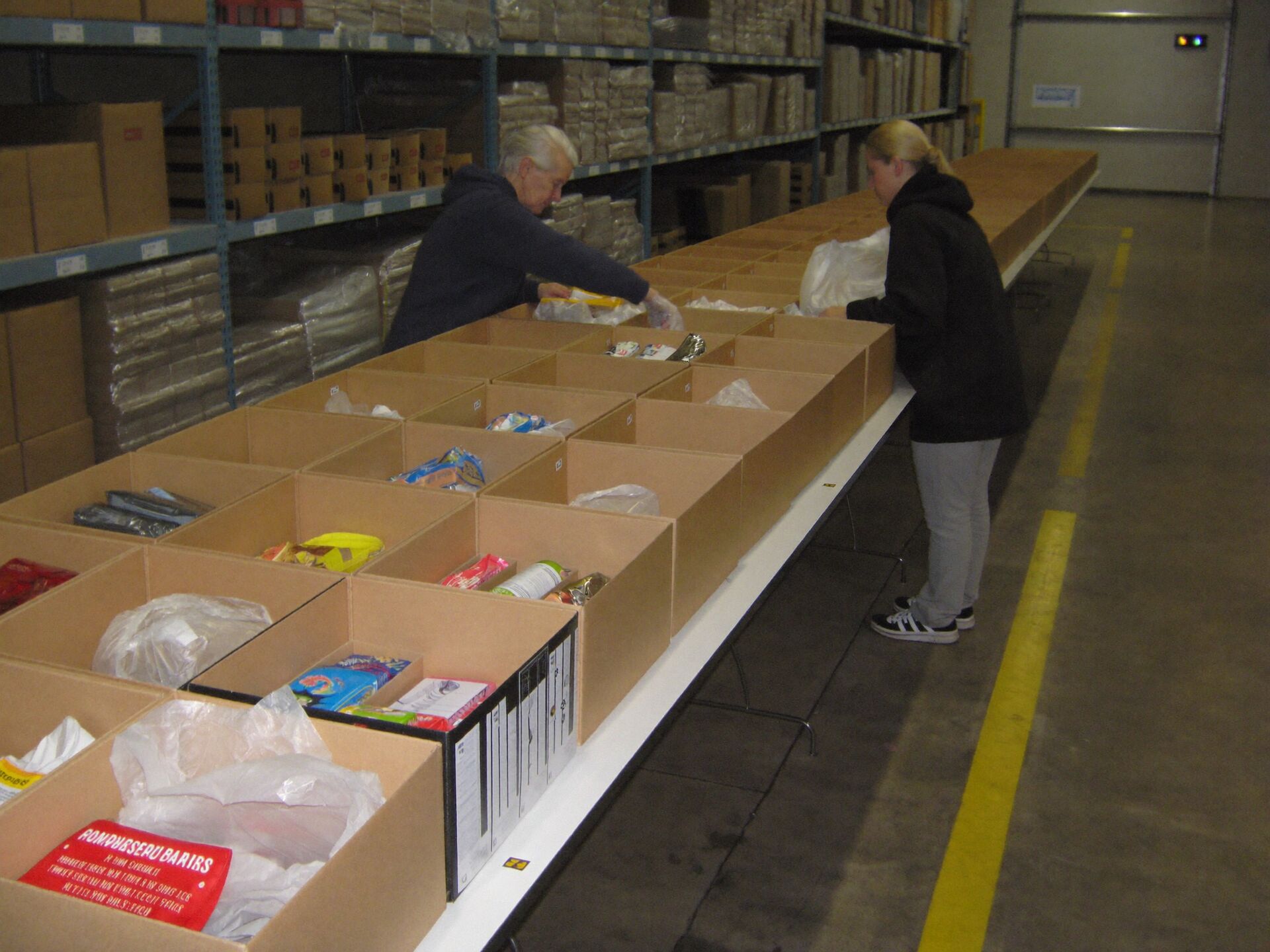
There are two common approaches. In pre-kitting, the warehouse assembles a batch of kits ahead of time and stores them as finished units, ready to ship. In on-demand kitting, the warehouse assembles each kit when the order arrives. Pre-kitting suits fixed bundles and subscription shipments that go out on a set date. On-demand kitting suits bundles with options, such as a choice of colors or sizes.
| Approach | Works well for | Things to plan |
|---|---|---|
| Pre-kitting | Fixed gift sets, subscription boxes with one version | Assembly date, storage space for finished kits |
| On-demand kitting | Bundles with customer choices | Clear rules for each option, component stock levels |
Start with a bill of materials
A bill of materials lists every component in a kit and how many of each. It is the single most useful document you can give a warehouse. Each component should have its own SKU, even if it is only ever sold inside a kit. That includes the outer box, tissue paper, inserts, stickers and samples.
When every component has a SKU, the warehouse can track stock levels for each one and warn you before a kit runs short because one small insert ran out.
Write assembly instructions a new person can follow
Assume the person building your kits has never seen your product. Instructions should describe the order in which items go into the box, how they are positioned and what the finished kit should look like. Photos of a correctly assembled kit help a great deal. If anything is optional or seasonal, say so explicitly.
- Bill of materials with a SKU for every component
- Step by step assembly order
- Photo of a finished kit, ideally from the top and the side
- Rules for inserts, notes or samples, including when they change
- Packaging and sealing instructions
- Which label goes on the finished kit and where
Plan subscription shipments around a calendar
Subscription boxes usually ship in waves. Work backward from your ship date: when components must arrive at the warehouse, when assembly starts and when the order file needs to be final. Share that calendar with your 3PL early, especially if your box contents change each cycle.
Send components with clear labeling so they can be received and counted quickly. A late component is the most common reason a subscription wave slips, so build in a buffer where you can.
Packaging choices that help assembly
Packaging that is easy to fold, fill and seal speeds up assembly and reduces damage. Consider whether your boxes arrive flat or pre-formed, whether inserts are pre-cut to fit, and whether fragile items need their own protection inside the kit. If you are unsure, ask your 3PL to assemble a few sample kits before the full run so you can check the result.
Mistakes to avoid
A few issues come up again and again with kitting projects. Most of them are easy to prevent once you know to look for them.
- Components without their own SKU, which makes stock levels impossible to track
- Instructions that live only in an email thread instead of one shared document
- Changing box contents without telling the warehouse before assembly starts
- Inserts or printed materials that arrive after the assembly date
- Outer boxes that do not fit the contents once protective packaging is added
Test before you scale
Before a large kitting run or the first wave of a new subscription box, ask for a small sample batch. Check the finished kits yourself, or have photos sent to you, and confirm that everything is in the right place. Adjust the instructions if anything is unclear. A short test at the start is far less disruptive than reworking a full batch later.
How we work on kitting at Fulfillment Rocket
Our team assembles kits and subscription boxes at both warehouses, using the bill of materials and instructions you provide. Your dedicated account manager reviews the setup with you, schedules assembly around your inbound components and keeps you informed if anything is short. There are no long-term contracts, and kitting is quoted per account based on your kit design.