Blog Returns
E-commerce returns: how to set return rules your warehouse can execute
By Fulfillment Rocket Team | | 3 min read
Your return policy tells customers what they can send back. Your return rules tell your warehouse what to do when a return arrives. Many brands have the first and not the second, which leads to slow processing, inconsistent decisions and inventory that sits in limbo. This article explains how to write return rules that a warehouse team can apply consistently, so returned items are back on sale or dealt with quickly.
Policy versus rules
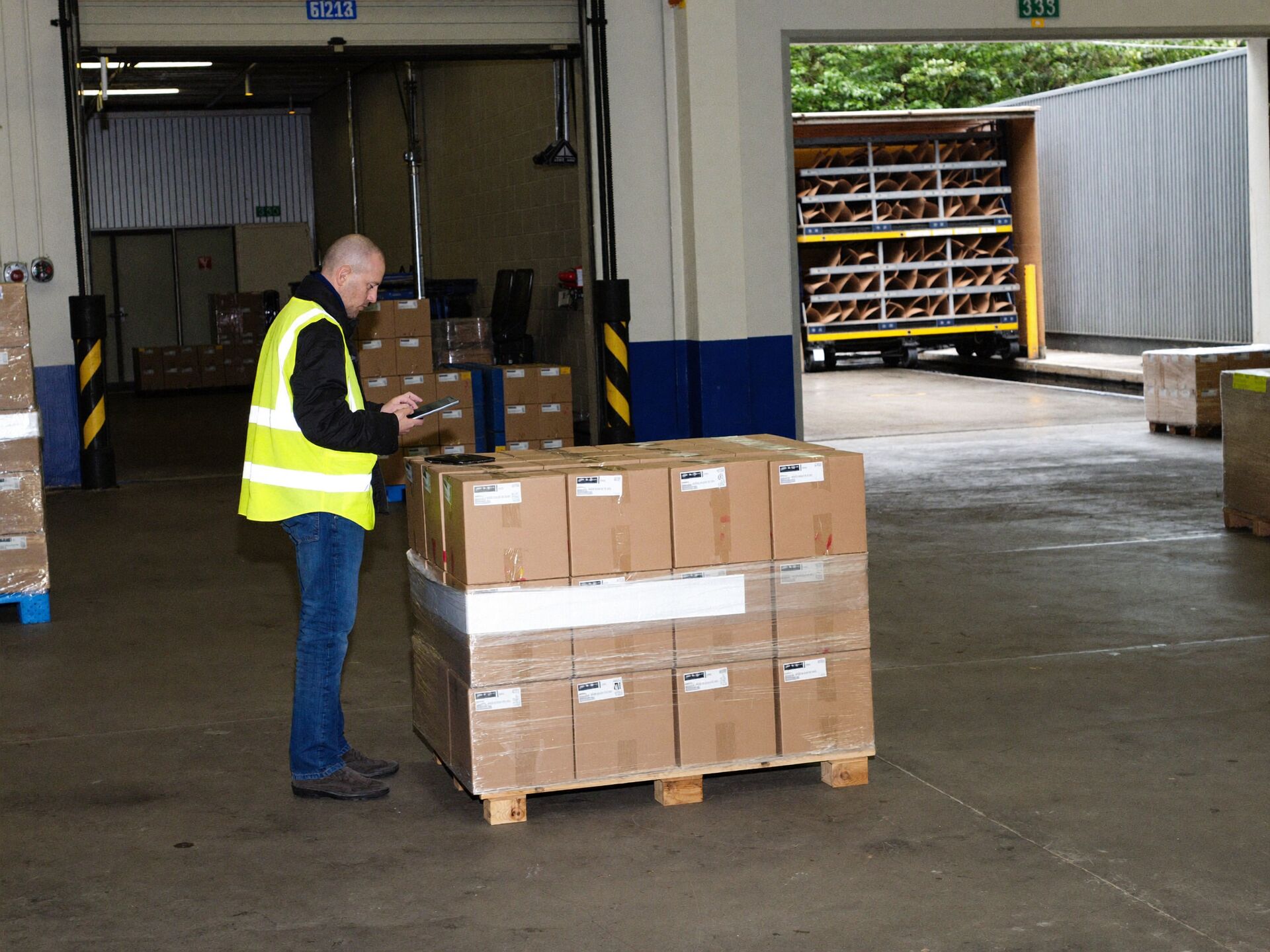
A return policy is customer facing. It covers the return window, which items are eligible and who pays for shipping. Return rules are operational. They describe how a returned item is identified, inspected and handled. Both need to agree, but the rules need much more detail, because the person opening the parcel cannot ask you what you meant.
Make every return identifiable
The first step is matching a parcel to an order. Ask customers to include their order number or a return authorization number, often called an RMA number, on or inside the parcel. Returns that arrive without any reference take longer to process, because someone has to investigate who sent them.
At Fulfillment Rocket, all returns are received at our East Coast warehouse in Dover, Delaware, and we ask that each parcel shows the order or RMA number.
Define inspection grades
Inspection grades turn judgment calls into simple choices. Keep the number of grades small and describe each one with concrete examples, ideally with photos. The goal is that two different people would grade the same item the same way.
| Example grade | Example description | Example action |
|---|---|---|
| Sellable | Unused, original packaging intact, all parts present | Restock |
| Repackage | Unused, packaging damaged | Repackage, then restock |
| Review | Unclear condition or possible defect | Quarantine for your review |
| Unsellable | Used, damaged or missing parts | Return to vendor, dispose or recycle |
Decide your dispositions
A disposition is what happens to the item after grading. Common options are restocking to sellable inventory, quarantining for review, repackaging or relabeling, returning to the vendor, and disposing or recycling. For each grade, choose one disposition as the default. If some products need special handling, such as items with expiration dates or high value items, list those exceptions by SKU.
Settle the questions that cause delays
Most returns slow down when the warehouse meets a situation the rules do not cover. Decide these points in advance:
- Your return window and what happens to parcels that arrive after it
- Who pays for return labels, you or your customer
- What happens to damaged items, including damage caused in transit
- How to handle a parcel containing the wrong item or someone else's product
- Whether exchanges are shipped right away or after the return is inspected
- How and how often you want to be notified about processed returns
Keep rules simple and review them
Simple rules are executed more consistently than complicated ones. Start with a few grades and dispositions, then refine them once you see what actually comes back. Review return reasons regularly as well. They often point to product, sizing or packaging issues that are cheaper to fix at the source than to process again and again.
Write it down in one place
Put your return rules in a single short document that your warehouse and your customer service team both use. Include your grades with photos, the default disposition for each grade, any SKU exceptions and who to contact when something unusual arrives. When your policy changes, for example for a holiday return window, update the document before the change takes effect.
Keeping customer service and the warehouse on the same rules also helps your customers. When a shopper asks about a refund or exchange, your team can explain exactly what will happen to their return and when they will hear back, instead of guessing.
It is also worth agreeing on how you will receive updates. Some brands want a notification for every processed return, others prefer a regular summary. Either works, as long as it is agreed and written down.
How returns work with Fulfillment Rocket
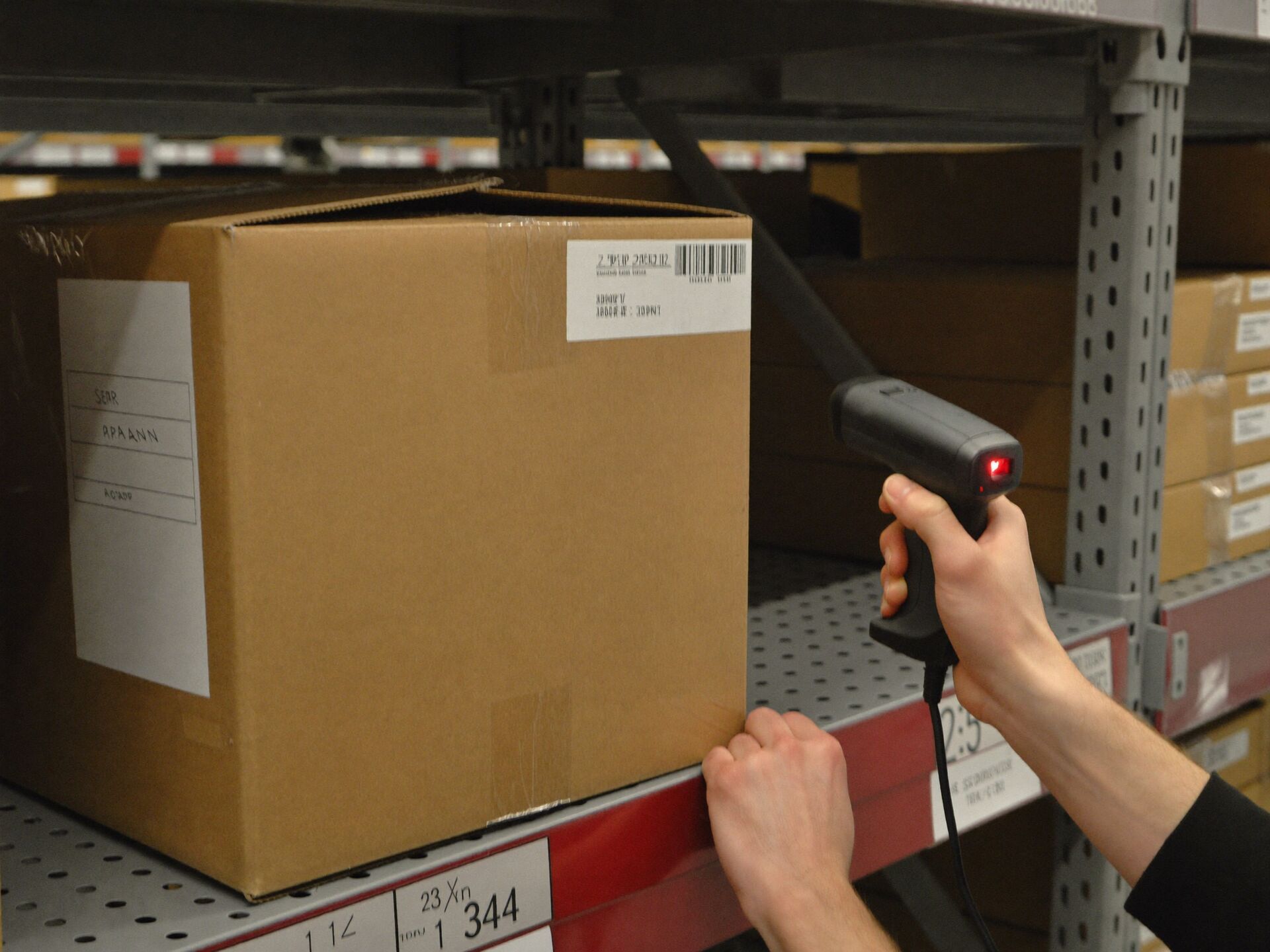
Your customers ship returns to Fulfillment Rocket Returns, 631 Ridgely St, Dover, DE 19904, United States. We receive and scan each parcel, inspect it against your rules, and restock, quarantine, refurbish or dispose of it according to your instructions. Your store and inventory are updated and you are notified. Processing times are agreed per account with your dedicated account manager.