Blog Choosing a 3PL
How to choose a fulfillment partner: 12 questions to ask before you sign
By Fulfillment Rocket Team | | 4 min read
Choosing a fulfillment partner is one of the bigger operational decisions an e-commerce brand makes. Your 3PL touches every order, so a poor fit shows up quickly in late shipments, surprise invoices and frustrated customers. The good news is that most problems can be spotted before you sign, if you ask the right questions. Below are twelve questions we recommend asking every 3PL you talk to, including us, along with what a clear answer looks like.
The 12 questions
Use this list as a script for your sales calls. Write down each provider's answers so you can compare them side by side afterward.
- What is your daily order cutoff for same-day shipping, and in which time zone?
- Where are your warehouses, and can my inventory be split between them?
- How do you receive inventory, and what do you need from me before a shipment arrives?
- Which store and marketplace platforms do you integrate with, and how do orders sync?
- Which carriers do you ship with, and do you pass discounted rates on to clients?
- How is pricing structured, and which fees could appear that are not in the quote?
- Do you require a long-term contract or a minimum term?
- Who will be my main contact, and how do I reach them when something goes wrong?
- How do you handle returns, and can I set my own inspection and restock rules?
- Can you handle kitting, inserts, custom packaging or Amazon prep if I need it later?
- How do I see my inventory levels and order status?
- What happens during peak season, and how should I plan inbound stock for it?
Cutoffs, locations and speed
The order cutoff tells you how late in the day a customer can order and still have the parcel leave that day. Ask for the exact time and time zone, and whether it applies every business day. Location matters just as much. A warehouse near the bulk of your customers, or one warehouse on each coast, can shorten ground delivery without paying for expedited services.
For reference, Fulfillment Rocket ships orders received by 2 PM local warehouse time the same business day, from Commerce, California and Dover, Delaware.
Receiving and integrations
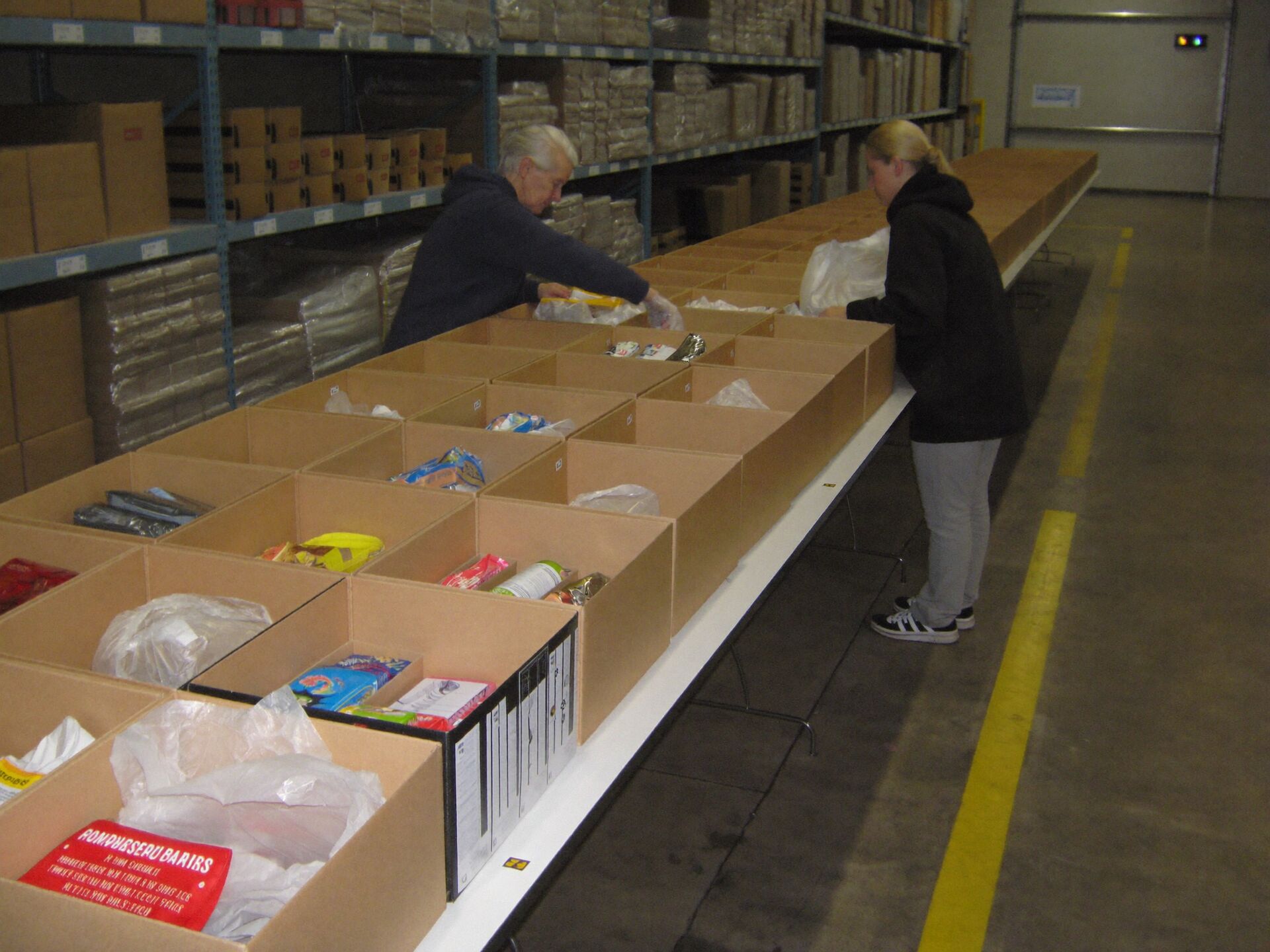
Receiving is where many problems start. Ask how the warehouse wants inbound shipments labeled, whether they need an advance notice listing SKUs and quantities, and how they report discrepancies between what you sent and what arrived. A clear receiving process protects your inventory counts from day one.
For integrations, confirm that your exact platforms are supported and ask what happens to tracking numbers. Ideally tracking is sent back to your store automatically so your customers get their shipping confirmation without manual work.
Pricing and contracts
Most 3PL pricing is built from a few components: receiving, storage, pick and pack, packaging and postage. Ask the provider to walk you through each one using your own products and order profile, and ask directly which other fees might appear on an invoice. A good partner will explain this plainly.
Contract terms matter too. A long minimum term can lock you in if service slips. Fulfillment Rocket does not require long-term contracts, and pricing is quoted per account.
| Topic | What a clear answer includes |
|---|---|
| Pricing | Each cost component explained using your products |
| Extra fees | A direct list of anything not in the base quote |
| Contract | The term, notice period and how to leave |
| Carrier rates | Whether discounted rates are passed on to you |
People and communication
When an order goes missing or a big inbound shipment arrives early, you want to reach someone who knows your account. Ask whether you get a named contact or a general support queue, and how quickly they typically respond. At Fulfillment Rocket, every client has a dedicated account manager.
Returns, special projects and peak season
Even if returns are not a big part of your business today, ask how they are handled. You should be able to set your own rules for what gets restocked, what gets quarantined and what gets disposed of. The same goes for kitting, inserts and Amazon prep: a partner who can handle these later saves you from switching providers as you grow.
Finally, ask how the warehouse plans for peak season. The useful answer is practical: when to send extra inventory, how to forecast your busy weeks together, and how cutoffs work during holidays.
Making the decision
Once you have answers from each provider, compare them on the points that matter most for your brand. Price is important, but clarity, communication and a good operational fit usually matter more over time. If a provider cannot give straight answers before you sign, that rarely improves afterward.